

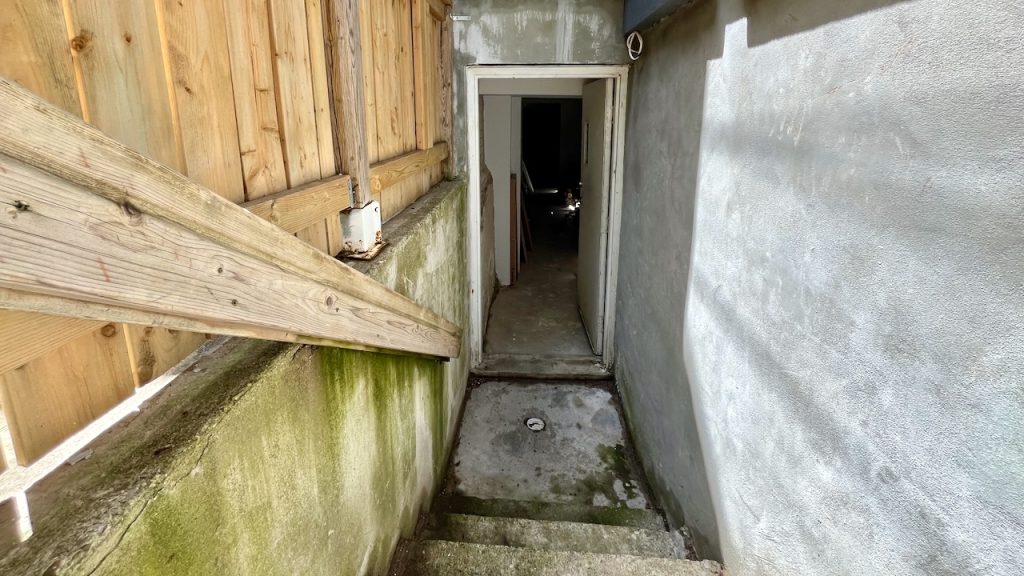
For many home buyers, a property with a basement apartment can be an attractive investment. The prospect of generating rental income may help offset mortgage costs and improve affordability. However, not every basement suite advertised as an “income-generating unit” is legally approved for rental use.
Unfortunately, some buyers discover this only after closing.
In several Ontario disciplinary cases, properties were marketed as having rental income potential based on finished basement apartments with separate entrances and kitchens. After the transactions closed, municipal authorities determined the units had never been approved as legal secondary suites. In some cases, compliance orders were issued requiring owners to remove kitchens or discontinue the rental use altogether. The buyers were left with unexpected costs, reduced property value, and lost rental income expectations.
One Ontario case involved a property marketed as having a legal basement apartment and 15 parking spaces. After the transaction closed, municipal officials determined the basement unit was not legally permitted and that zoning only allowed six parking spaces. The buyer’s intended business use was significantly affected, demonstrating the importance of independently verifying key property details before completing a purchase.
A Finished Basement Is Not the Same as a Legal Apartment
Many buyers assume that a separate entrance, kitchen, and bathroom automatically create a legal rental unit. That assumption can be costly.
The legal status of a secondary suite depends on several factors, including municipal zoning permissions, building permits, fire safety requirements, and compliance with applicable building codes. A basement apartment may appear complete and functional while still being unauthorized by the municipality.
What to Look For
Here are some common warning signs that may indicate a basement apartment requires further investigation:
- Low basement ceiling heights – Ceilings lower than 1.95 meters over the main living spaces and exit paths, or lower than 1.85 meters under beams and ducting (the minimums permitted under Section 9.5.3.1 of the Ontario Building Code).
- Small or inadequate egress windows – Tiny basement windows that an adult could not realistically crawl through in a fire (violating egress requirements, which require an unobstructed opening of at least 0.35 m2 under Section 9.9.10.1. of the Ontario Building Code).
- Heating and ventilation concerns – A shared heating and ventilation system that lacks the fire separation and life-safety features typically required for a legal secondary suite.
Before relying on projected rental income, buyers should verify whether the unit has been properly approved and recognized by the municipality.
Due Diligence Is Everyone’s Responsibility
The Real Estate Council of Ontario (RECO), the province’s real estate regulator, has repeatedly emphasized the importance of complying with the Trust in Real Estate Services Act (TRESA) and its Code of Ethics. This includes providing conscientious and competent service, avoiding misrepresentation, and acting professionally at all times. Listing representatives are expected to take reasonable steps to verify material facts before advertising a property’s features or permitted uses. Buyer representatives also have a responsibility to help clients investigate claims that could significantly influence a purchasing decision. In short, registrants are expected to exercise due diligence throughout every real estate transaction.
Read more: Understanding Minor Variances, Severances, and Legal Non-Conforming Uses in Ontario
Simply relying on assumptions, verbal statements, or generic disclaimer language may not be enough when a property’s value is tied to rental income potential. Disciplinary decisions have shown that RECO expects registrants to verify important information rather than merely pass along unconfirmed claims. In some cases, disciplinary decisions have resulted in significant financial penalties and mandatory educational courses for the registrants involved. For clients, the consequences can be far more significant, including unexpected expenses, lost rental income, delayed financial plans, and considerable stress. Even where restitution is ultimately awarded, the process can be lengthy and disruptive.
Protecting Yourself Before You Buy
If a property’s basement apartment is an important factor in your purchase decision, consider asking:
- Has the secondary suite been approved by the municipality?
- Were permits obtained for the construction or renovation?
- Is the unit recognized as a legal second dwelling?
- Are there any outstanding work orders, deficiencies, or compliance issues?
- Can documentation supporting the unit’s legal status be provided?
Taking the time to obtain answers before firming up a purchase can help avoid significant financial and legal headaches later.
Thinking of Buying or Selling?
If you’re purchasing an investment property, evaluating a home with a basement suite, or preparing to sell, accurate information matters. I believe in thorough due diligence, clear communication, and helping clients understand the facts before making major real estate decisions. If you’re considering buying or selling in the Greater Toronto Area, contact me today to discuss your goals and ensure you’re making informed decisions every step of the way.