
Ontario’s housing market offers a diverse range of property types and ownership structures. While many buyers are familiar with terms such as detached, semi-detached, townhouse, and condominium, the differences between these options extend beyond appearance alone. Ownership rights, maintenance responsibilities, monthly fees, financing considerations, and governing regulations can vary significantly depending on the property type. Understanding these distinctions can help buyers make informed decisions and choose a home that best aligns with their lifestyle, budget, and long-term goals.
Detached Home
A detached home is a standalone residential property that does not share any walls with neighbouring homes. In most cases, the owner holds freehold title to both the house and the land it occupies, giving them full responsibility for maintenance, repairs, landscaping, and other property-related expenses.
Detached homes typically offer the greatest level of privacy, outdoor space, and flexibility for renovations or additions, subject to municipal regulations. They are often sought after by families and buyers looking for more living space, private yards, and long-term ownership opportunities. While detached homes generally command higher purchase prices than townhouses or semi-detached homes, they remain one of the most desirable housing types in many Ontario communities.
Semi-Detached Home
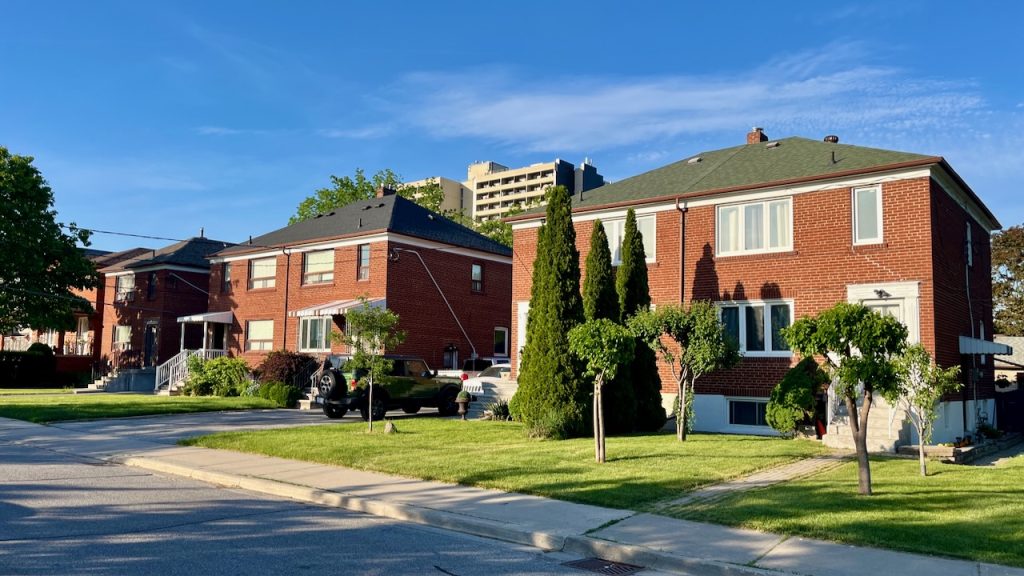
A semi-detached home consists of two separate dwellings connected by a shared wall. Each side is typically owned independently and sits on its own parcel of land. Owners are responsible for the maintenance and upkeep of their respective property.
Semi-detached homes often provide more interior space and yard area than many townhouses while generally being more affordable than fully detached homes. They are a common housing option throughout the Greater Toronto Area and many communities across Ontario.
Attached/Row Townhouse
An attached or row townhouse is typically a freehold property that shares one or more walls with neighbouring homes. Unlike a condo townhouse, owners are generally responsible for the maintenance and repair of both the interior and exterior of the property, including the roof, yard, and driveway.
Townhouses can offer a balance between affordability and living space, making them a popular choice for first-time buyers, growing families, and investors. Some townhouse developments are freehold, but include a Parcel of Tied Land (POTL). This means the owner holds full title to their home, but pays a modest monthly fee to a Common Elements Condominium corporation for shared infrastructure like private roads, snow removal, or visitor parking.
Condo Townhouse
A condo townhouse combines the feel of a traditional townhouse with condominium ownership. Owners typically own their unit while common elements such as roads, visitor parking, landscaping, and certain exterior building components are maintained by the condominium corporation.
Monthly condominium fees help cover the upkeep of shared amenities and common areas. Condo townhouses are often popular among buyers seeking more space and privacy than a condominium apartment while avoiding some exterior maintenance responsibilities.
Condo Apartment
A condo apartment is a residential unit located within a multi-unit building. Owners hold title to their individual unit and share ownership of common elements such as hallways, elevators, lobbies, fitness facilities, and parking areas.
Condominium fees are paid monthly and contribute toward building maintenance, reserve funds, insurance for common areas, and amenities. Condo apartments are often attractive to first-time buyers, downsizers, and investors due to their convenience and lower maintenance requirements.
Detached Condo
A detached condominium is a standalone house that is legally part of a condominium corporation. Unlike a traditional freehold detached home, the property remains subject to condominium rules, bylaws, and monthly condominium fees.
These homes provide the privacy of a detached residence while sharing certain common elements such as private roads, recreational facilities, landscaping, or community infrastructure. Detached condos are commonly found in adult lifestyle communities and planned developments throughout Ontario.
What Is a Link Home?
A link home is a house that appears detached above ground but is physically connected to a neighbouring property, usually by the foundation below grade, the garage wall, or a concrete footing. Many buyers mistake link homes for fully detached homes because they look entirely separate from the street. Ownership of a link home is typically freehold, although some may also be part of a condominium corporation depending on the development.
Co-op Apartment
A co-operative (co-op) apartment differs significantly from condominium ownership. Buyers do not own their individual unit. Instead, they purchase shares in a co-operative corporation that owns the entire building, which grants them the right to occupy a specific unit. Co-op buildings often have stricter approval processes for purchasers, and traditional mortgage financing may be more limited compared to condominiums.
Co-Ownership Apartment
A co-ownership apartment is another alternative ownership structure. Buyers purchase a percentage interest in the entire property and receive exclusive occupancy rights to a specific unit. Unlike condominium corporations, co-ownership buildings are not governed by Ontario’s Condominium Act. Financing options may be more restricted, and purchasers should carefully review the governing agreement before buying.
Note: Because traditional mortgage financing is limited for Co-ops and Co-ownerships in Ontario, buyers often require a significantly higher down payment (often 20% or more) through specialized lenders.
Choosing the Right Home
Each housing type offers unique advantages depending on a buyer’s budget, lifestyle, and long-term goals. Understanding ownership structure, maintenance responsibilities, monthly fees, and financing options is essential before making a purchase. If you have questions about buying, selling, or investing in real estate in Ontario, professional guidance can help you navigate the process with confidence. Reach out today to discuss your real estate goals and learn which property type may be the best fit for your needs.