

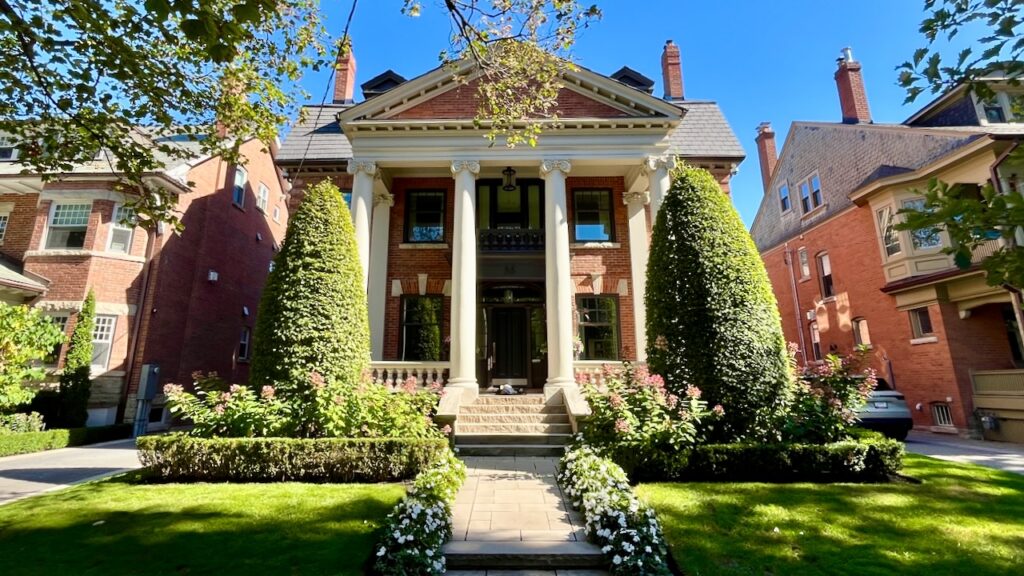
A Neighbourhood Shaped by History
Positioned immediately north of Castle Frank subway station and just west of the Prince Edward (Bloor–Danforth) Viaduct, this pocket stands among Toronto’s most recognizable residential areas. Castle Frank Road winds through South Rosedale, an established community defined by mature tree canopies and stately homes that offer a serene, peaceful environment only minutes from the downtown core.
The identifier Castle Frank traces back to 1793, when Upper Canada’s initial lieutenant-governor, John Graves Simcoe, constructed a timber summer home named in honour of his son, Francis. Even after a fire destroyed the residence in 1829, the historic name stayed attached to the property. As urban growth pushed north from Lake Ontario throughout the 1800s, these wooded grounds transformed into a premier luxury housing district.
Architectural Heritage and Estate Living
South Rosedale owes its enduring reputation to a rich mix of building styles and carefully maintained streetscapes. A large portion of the area’s real estate originated between the late 1800s and early 1900s, built as grand private residences for Toronto’s prominent industrial titans, merchants, and professionals.
Read more: The $100,000 Parking Spot: Toronto’s Secret Real Estate Market
A walk through the area reveals Victorian, Edwardian, Georgian, Tudor Revival, and Arts and Crafts design traditions. Intricate masonry, brick fronts, sharp rooflines, deep property setbacks, and manicured grounds set these single-family properties apart from higher-density housing nearby.
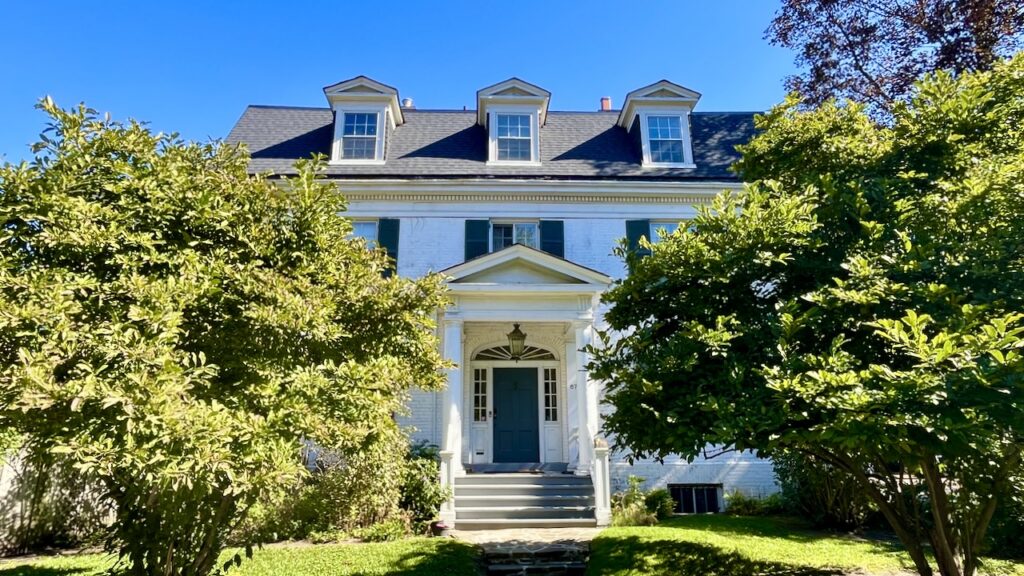
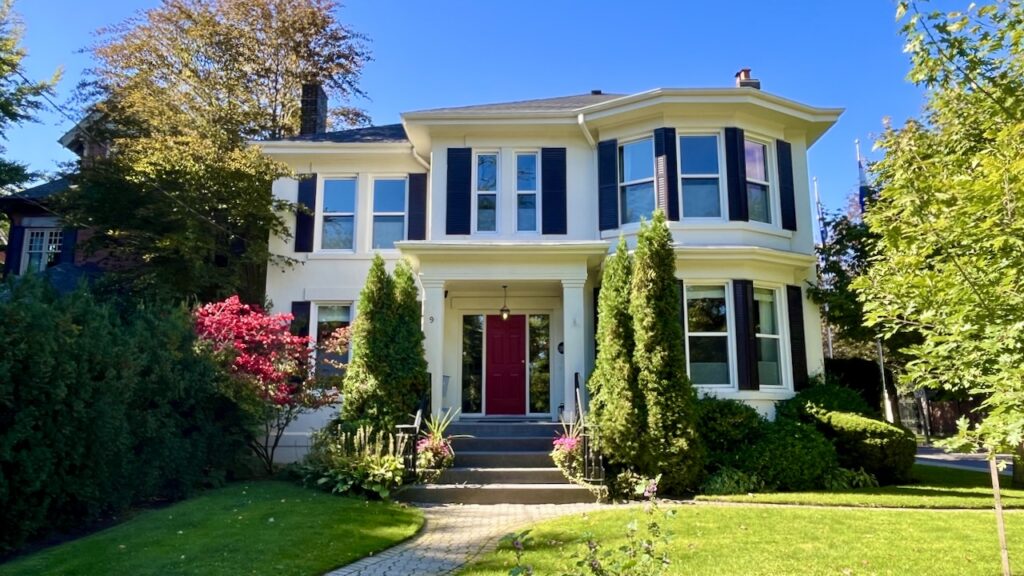
Castle Frank Road and its surrounding residential streets capture this architectural lineage, featuring grand vintage manors alongside updated homes that demonstrate how modern renovations can align gracefully with historic street character.
The city formally protected South Rosedale under Part V of the Ontario Heritage Act by establishing it as a Heritage Conservation District (HCD) in 2003. Together with strict local zoning, these protections help safeguard the neighbourhood’s low-density feel and support long-term property values.
A Secluded Retreat in the Heart of Toronto
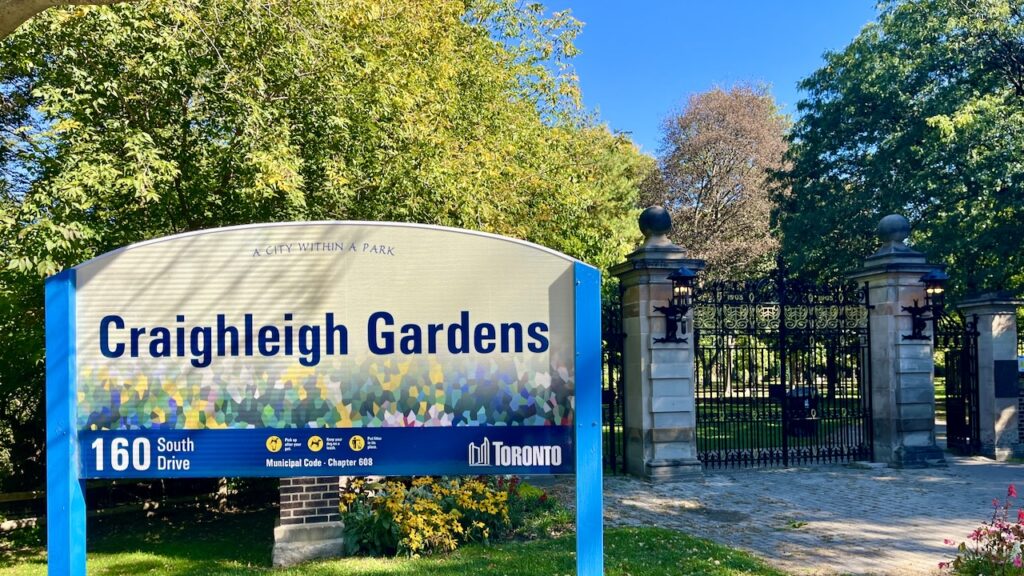
Despite its proximity to major transit arteries and commercial corridors, South Rosedale retains an unusually tranquil residential character. Rather than adhering to a rigid grid, its winding residential streets follow the neighbourhood’s natural contours, with the Don Valley ravine landscape contributing to its distinctive sense of seclusion and leafy character. Craigleigh Gardens — formerly part of the estate of financier Sir Edmund Osler — serves as a central green space, offering walking paths and access to the surrounding ravine trails.
Read more: Is Title Insurance Worth Buying for a Property You Already Own?
These expansive ravines serve as a natural noise barrier against the surrounding metropolis. Commuters enjoy rapid connections via the Don Valley Parkway, the Bayview Extension, and Rosedale Valley Road, while the designated Park Drive Reservation Lands shield the local valley ecology against future construction.
A Distinctive Real Estate Market
Market metrics from the Toronto Regional Real Estate Board (TRREB) covering the Rosedale–Moore Park area (MLS District C09) show an average sale price of roughly $4,241,049 between January and September 2026. This reflects a 57.7% increase compared to the 2016 annual benchmark of $2,689,744.
Because South Rosedale consists predominantly of high-value freehold real estate with low annual turnover, single-month average pricing can shift based on the size, lot orientation, and architectural condition of the few properties sold. South Rosedale’s limited housing supply, established prestige and high cost of entry have helped sustain its position as one of the GTA’s most sought-after luxury real estate markets.
The Dynamics of an Urban Enclave
Castle Frank Road and South Rosedale reflect important chapters in Toronto’s urban development and growth. Located beside major subway lines and bordering dense, fast-changing neighbourhoods, this small, “village-like” community illustrates the striking socio-economic contrasts that mark the city. Its position alongside key roadway corridors also highlights how quiet, protected heritage enclaves and intensive high-density growth remain intertwined across Toronto’s landscape.
Navigating Toronto’s Luxury Real Estate Market
Whether you are considering a home in South Rosedale or seeking tailored market insights to buy or sell property elsewhere in the GTA, clear local analysis is crucial to success.
Thinking of making a move? Contact me today for a free, private consultation or a customized market evaluation of your property.