

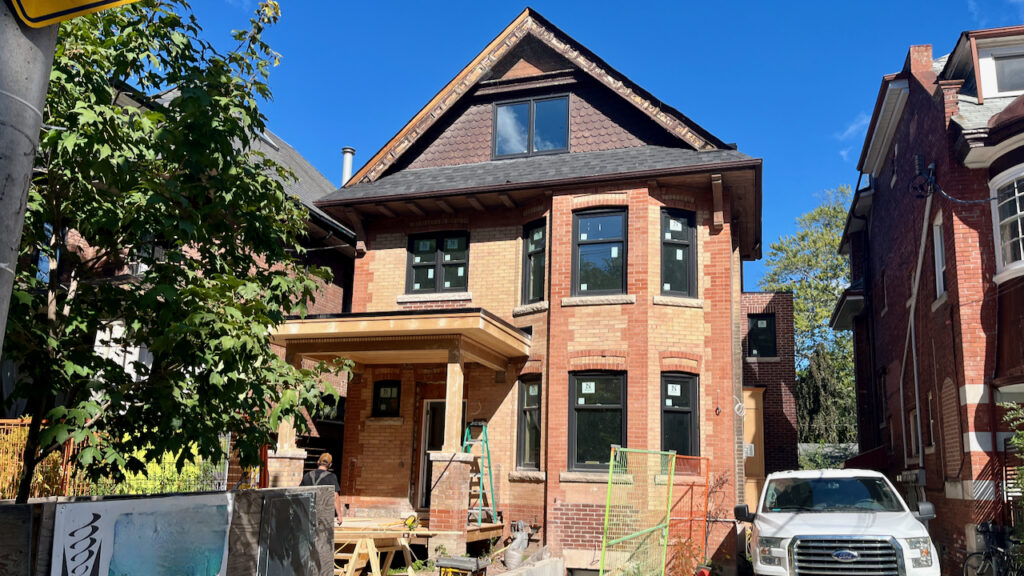
For years, Toronto homeowners and builders have associated renovation and construction permits with a litany of paperwork, multiple reviews and lengthy waits. While obtaining a permit still requires meeting zoning and Ontario Building Code requirements, the city has been taking concrete steps to make the process faster and more predictable.
Toronto Is Modernizing the Permit Process
One of the most significant changes is the expansion of online building-permit services. Toronto now allows online applications for projects including new houses, additions, secondary suites, multiplex conversions, and laneway and garden suites. The city has also established different review streams, with eligible complete applications in the House Stream targeted for review within 10 business days and certain smaller residential projects eligible for Express Services with a three-business-day review target.
Read more: When a Basement Apartment Isn’t Legal: A Costly Lesson for Home Buyers
In August 2026, Toronto introduced another potentially useful tool: an online Building Permit Application Pre-Check. Powered by AI software (CivCheck), the system flags missing documents, inconsistencies, or code issues before formal submission. Available for additions, alterations, garden/laneway suites, decks, and accessory structures, it reduces correction cycles so city reviews begin with complete packages.
Toronto has also expanded its Reliance on Professional Engineer’s Seal program. For eligible projects, including certain new homes, alterations, additions and accessory structures, builders can rely on the responsibility assumed by a professional engineer for portions of the work rather than duplicating the same level of technical review. The city says its pilot identified an average reduction of approximately 28 days from permit application to occupancy.
Making Laneway and Additional Homes More Practical
Toronto has also introduced free, standardized pre-approved plans for garden and laneway suites. Although homeowners still need a building permit and must satisfy site-specific zoning and Building Code requirements, using an already-reviewed design can reduce design work, cost and complexity. Modifying these plans in one way or another invalidates the pre-approval status.
These changes benefit more than individual property owners. Making it easier to build a secondary suite, backyard home, or small multiplex increases the housing supply using existing land — without needing every project to start from scratch.
Ontario’s Role in Cutting Red Tape
The province has been pursuing its own broader effort to speed up housing construction. Ontario’s 2025 legislation and related initiatives have focused on streamlining development approvals, reducing regulatory costs and creating greater consistency in building standards and municipal processes. The province has also used financial incentives, including the Building Faster Fund, to encourage municipalities to meet housing targets.
Federal Support for Faster Housing
The federal government’s Housing Accelerator Fund (HAF) has provided another important piece of the puzzle. Toronto received approximately $471 million through the program, with funding tied to initiatives intended to eliminate barriers to housing construction, modernize approval processes and increase housing supply.
Read more: Niagara-on-the-Lake: Ontario’s Answer to Martha’s Vineyard
More broadly, the federal program had agreements with 238 local governments committing approximately $4.37 billion toward initiatives intended to fast-track permits for more than 120,000 net new homes as of March 31, 2026.
What This Means for Toronto’s Real Estate Market
Streamlined approvals do not solve housing affordability on their own, but they remove major roadblocks between planning and building.
- For homeowners & renovators: Projects and renovations can break ground sooner with fewer unexpected delays.
- For real estate investors & buyers: Adding income-generating secondary suites or backyard units becomes far more practical and cost-effective.
- For builders & developers: Shorter approval windows reduce financing and carrying costs, keeping projects on schedule.
As Toronto balances growth within an established urban boundary, these permitting efficiencies offer real value for property owners looking to maximize their land.
Thinking About Buying or Selling in Toronto?
Understanding a property’s zoning potential and renovation path is just as critical as inspecting its structural condition. Whether you are looking for a house with income-suite potential, exploring backyard build options, or marketing a lot to sell, I can help you assess long-term value. Reach out today to start the conversation!